
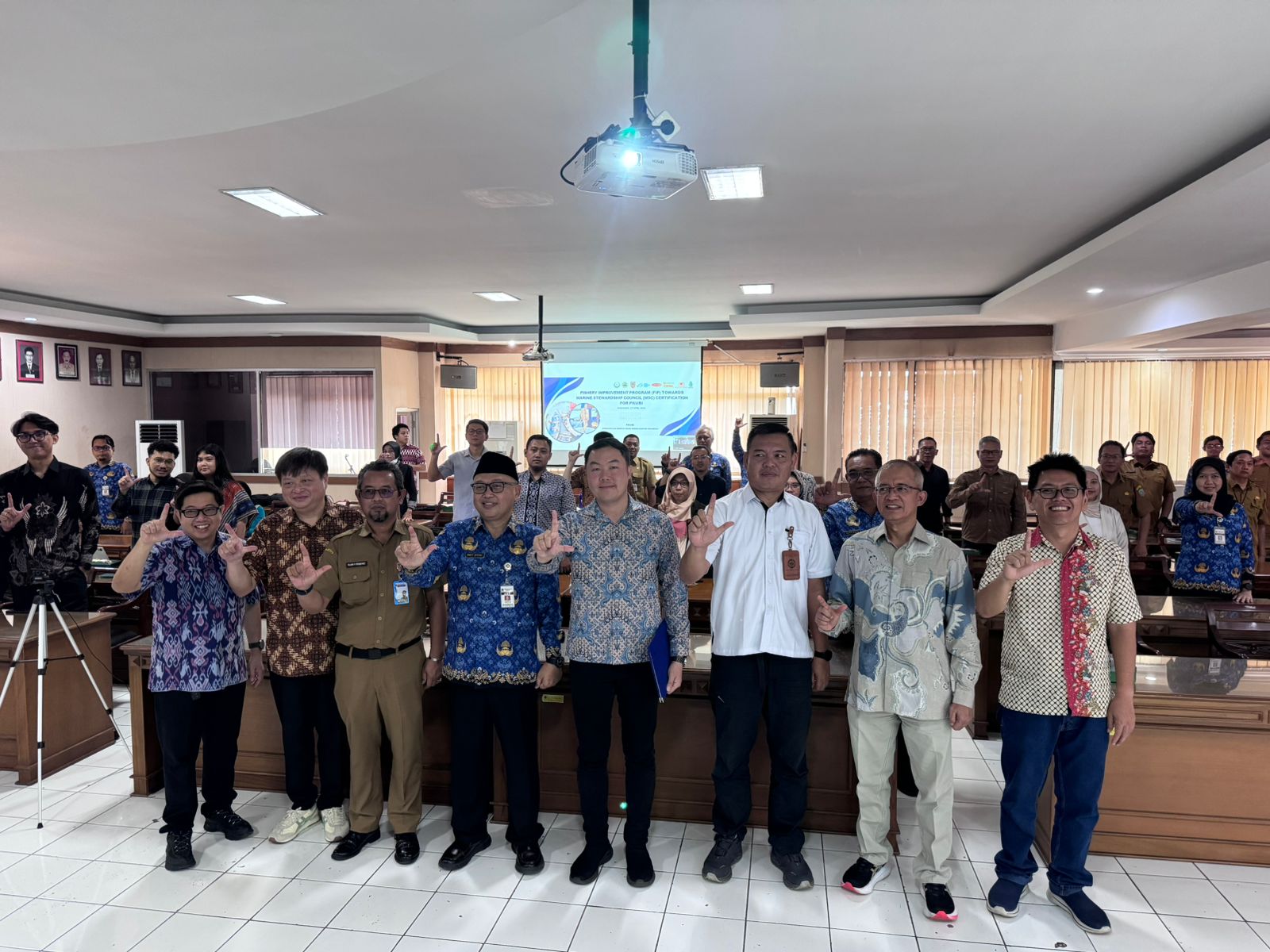
Semarang, April 27, 2026 — The Indonesian Sustainable Shrimp Cracker Association (PKUBI) is moving closer toward sustainable small-scale shrimp fisheries fishing practices through the Fishery Improvement Program (FIP) initiative supported by the MSC. The handover of the Ocean Stewardship Fund (OSF) worth US$ 60,000 serves as a vital catalyst to strengthen the capacity of small-scale fishers, improve data quality, and implement traceability mechanisms that meet export market standards.
Strategic Objectives and Expected Outcomes
The “FIP towards MSC Certification for PKUBI” event, held at the Marine and Fisheries Office (DKP) of Central Java Province, brought together stakeholders from the central government (Ministry of Marine Affairs and Fisheries-KKP) and regional governments, academia, NGOs, industry players, and fisher representatives. The primary goal of this meeting was to align the vision and implementation of the FIP, synchronize stakeholder roles, and formulate a roadmap for the next stages toward a full MSC assessment. Following the opening remarks, a symbolic handover of the US$ 60,000 OSF grant was presented to PKUBI, witnessed by the Head of the DKP Central Java and representatives from DKP South Kalimantan.
Ocean Stewardship Fund (OSF) and the Roles of PKUBI and KOLEKTIF
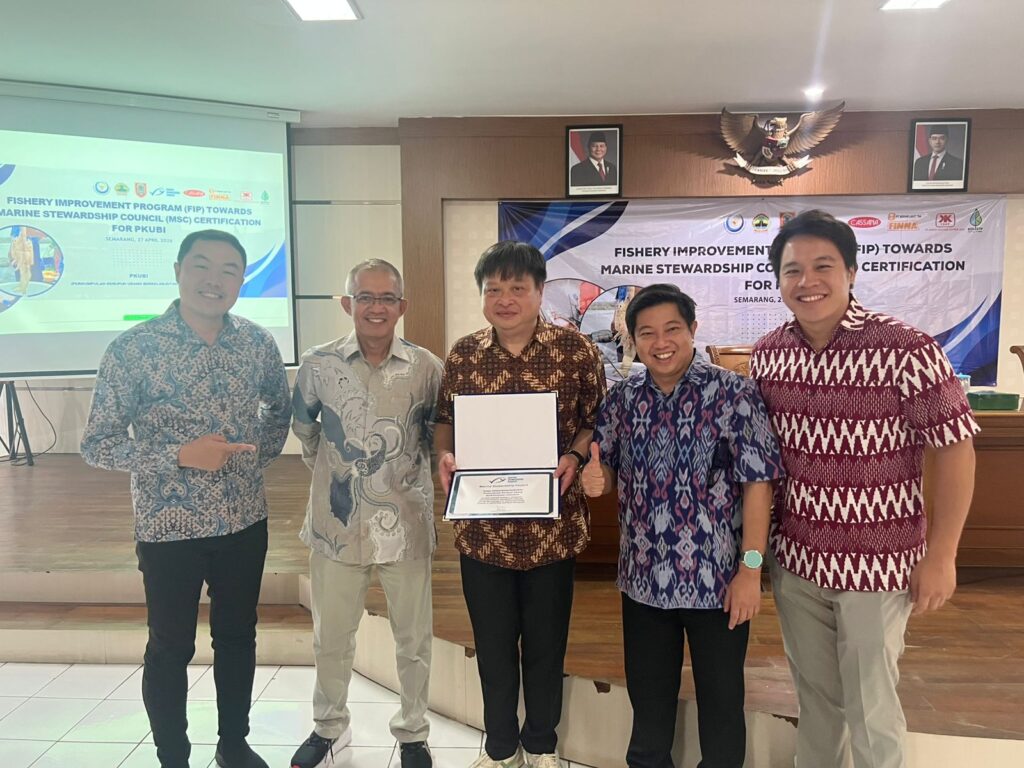
MSC has channeled the 2026 OSF grant of US$ 60,000 to support the small-scale shrimp fisheries improvement program in Central Java and South Kalimantan. This funding is directed toward strengthening FIP activities, including fisher capacity building, enhancing scientific data, and implementing eco-friendly fishing practices to ensure products meet the requirements of the European Union and other export markets. PKUBI, as the umbrella organization for the shrimp cracker industry, has been working since 2016 to mentor fishers in adopting sustainable fishing gear, providing training, and recording catch data.
FIP Progress: Achievements and Performance Indicators
- Central Java: The small-scale shrimp fisheries FIP has been running since 2020; the current Benchmarking and Tracking Tool (BMT) score is 0.56. Activities conducted include the formation of a shrimp management working group (Pokja), catch data monitoring, socialization of fisher rights and Endangered, Threatened, and Protected (ETP) species, financial literacy training, fisher skill certification, and research assistance.
- South Kalimantan: The Indonesia Kota Baru FIP and Indonesia South Kalimantan trammel net prawn FIP has been running since 2017; the current BMT score is 0.46. Focus activities include research collaboration between universities, the formation of joint working teams, safety and operational compliance training for vessels, and efforts to improve administrative compliance for boats.
Technical and Scientific Challenges to be Addressed
Based on the meeting results, several key challenges must be addressed ini small-scale shrimp fisheries before proceeding to a full MSC assessment:
- Lack of Stock Data: There are no biomass estimates for Maximum Sustainable Yield (MSY) or adequate stock indicators.
- Limited Monitoring of Catch Strategy: Fishing strategies have not been systematically monitored, and there are no clear Harvest Control Rules.
- Impact on Non-Target and ETP Species: Mechanisms are needed to reduce interactions with threatened species and address the issue of lost nets (ghost fishing).
- Need for Biological Research: DNA studies, biological sampling, and studies on spawning and nursery areas are required to develop evidence-based harvest strategies.
Technology and Traceability: E-Logbook and the Role of Ports
The implementation of e-logbook ver.3 by the KKP is a key solution to improving the quality of catch data for small-scale fishers. Features under development include automatic fish identification (currently 25 species integrated), near real-time vessel position monitoring, trip tracking, and at-sea catch estimates. The integration of catch data into the e-logbook is expected to serve as a pilot for small-scale fishery recording in accordance with central government directives. At the port level, the Catch Certificate (SHTI) and Certification of Admissibility (CoA) mechanisms are essential instruments for traceability and market access, including export requirements for the United States and the European Union. Strengthening port procedures and initial catch logs will support supply chain transparency.
FIP Implementation Action Plan
Following the meeting, stakeholders agreed to continue strengthening coordination and implementation efforts throughout 2026 as part of the ongoing shrimp Fishery Improvement Project (FIP) process. Through PKUBI, industry members and partners will work collaboratively to improve fisheries management, strengthen data and governance systems, and advance readiness toward a full assessment by the Marine Stewardship Council (MSC), with the fisheries aiming to begin the full assessment process by the end of 2026.
Local Action for Global Impact on Indonesia’s Small-Scale Shrimp Fisheries
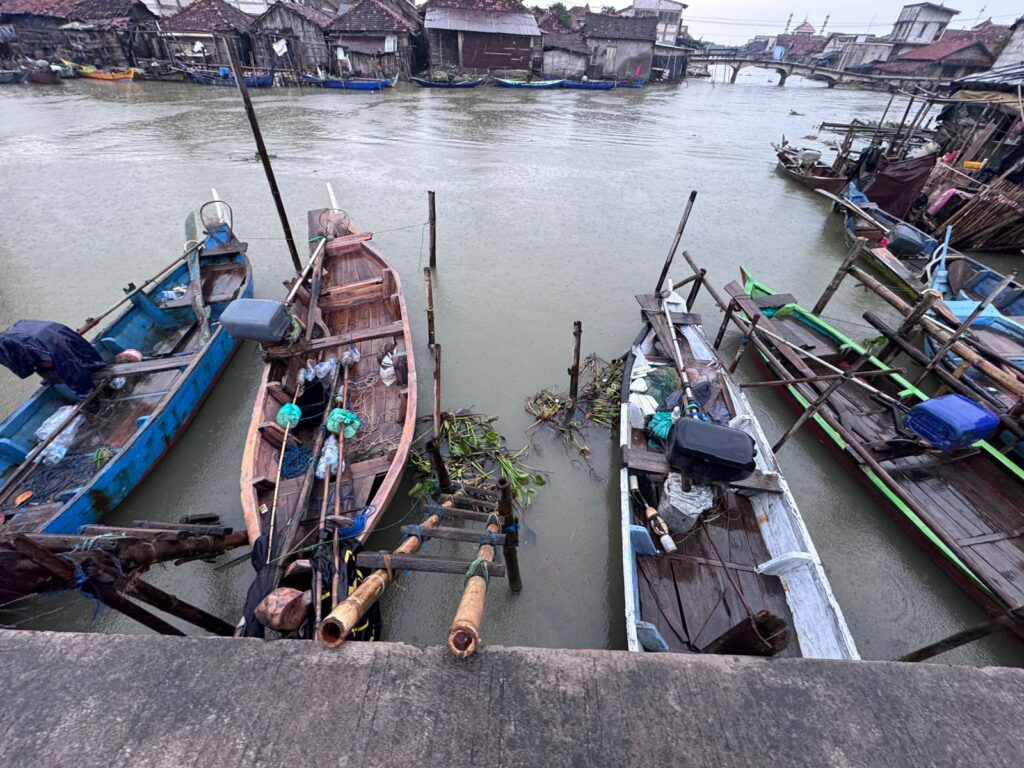
FIP activities supported by MSC’s OSF grant offer a real opportunity for small-scale shrimp fisheries and shrimp cracker industry players to enter export markets with internationally recognized sustainability standards. Traceability activities are a crucial process to optimize data collection and obtain information related to sustainable fisheries management. Integrating data into the e-logbook and multi-stakeholder collaboration are key to ensuring that economic and ecological benefits are felt sustainably. KOLEKTIF will continue to assist this process as a technical consultant and collaboration facilitator. We invite all stakeholders to strengthen our shared commitment: improving fishing practices, reinforcing scientific data, and building transparent supply chains for a sustainable future for the shrimp fishery.
Leave a Reply