
Discussions about sustainable fisheries often focus on environmental performance — fish stocks, habitats, and management systems. Yet behind every fishery are people whose fishers health, safety, and wellbeing are fundamental to long-term sustainability. Without healthy and protected fishers, fisheries improvement cannot truly succeed.
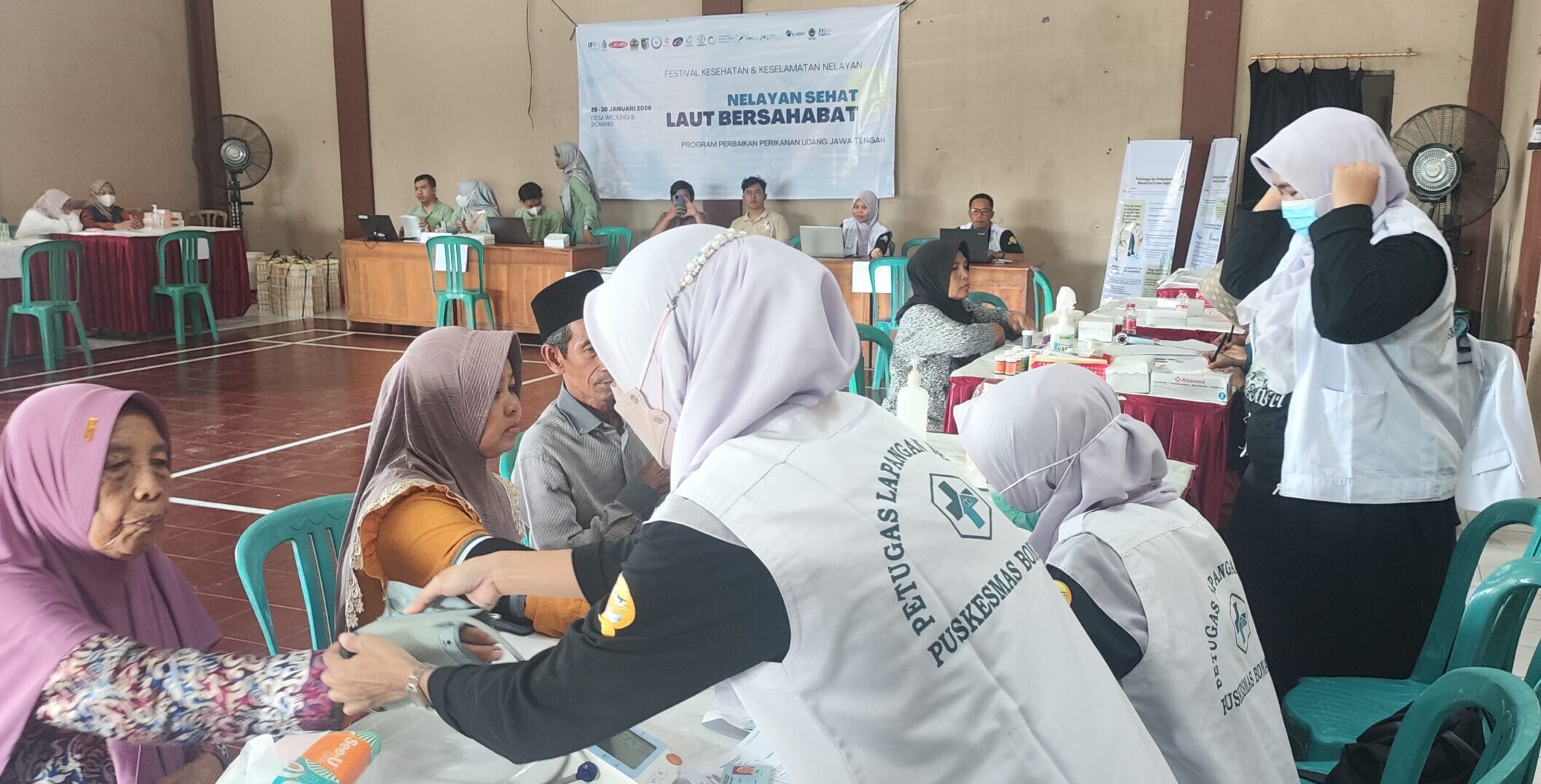
This understanding was at the heart of the Festival Kesehatan dan Keselamatan Nelayan (Fishers Health and Safety Festival), held with shrimp fishing communities in Demak, Central Java, at the end of January 2026.
Baca dalam Bahasa Indonesia klik disini
From Commitment to Action
The Health and Safety Festival was initiated by KOLEKTIF and PT Cassanatama Naturindo as part of Indonesia Central Java white prawn trammel net and trap FIP program, in collaboration with the Marine and Fisheries Department and Health Department of Central Java Province. The event was held over two consecutive days — on 29 January 2026 in Bonang Village and 30 January 2026 in Bungo Village, Demak.
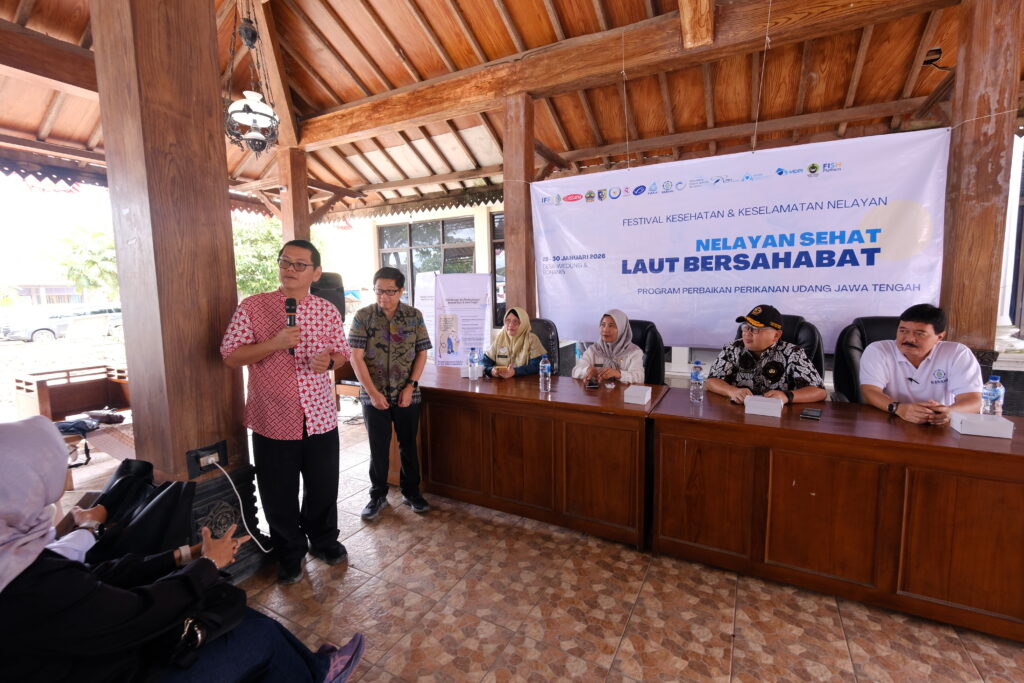
The festival was supported by The International Fund for Fishing Safety (IFFS) through the FISH Platform, alongside partners including AP2HI, MDPI, Yayasan IPNLF Indonesia (YII), and Fair Trade USA. Together, the partners shared a common objective: to strengthen awareness of fishers health, safety, and social responsibility while providing direct support to small-scale shrimp fishers and their families.
In Demak, the event reached approximately 400 participants, including fishers as well their wives and children, representing six fishers’ groups that being part of Indonesia Central Java white prawn trammel net and trap FIP. The scale of participation reflected both the strong collaboration among institutions and the real demand for accessible health services in coastal fishing communities.
Health Services Close to Home
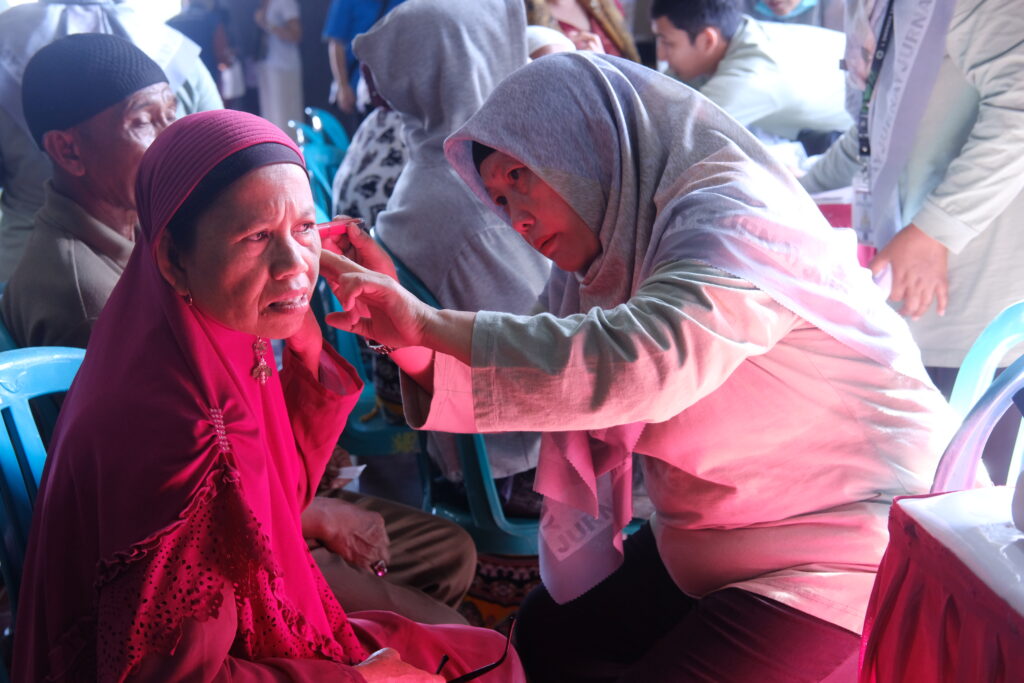
Over the two days, fishers and their families were able to access a wide range of free medical services, delivered directly in their communities. These included basic fishers health screenings, blood tests, eye examinations, and consultations with general practitioners. In addition, specialist doctors — including internists, pulmonologists, paediatricians, and obstetricians and gynaecologists — were present to provide more in-depth consultations through the Spelling or “Spesialis Keliling” program from the Central Java Province Health Department.
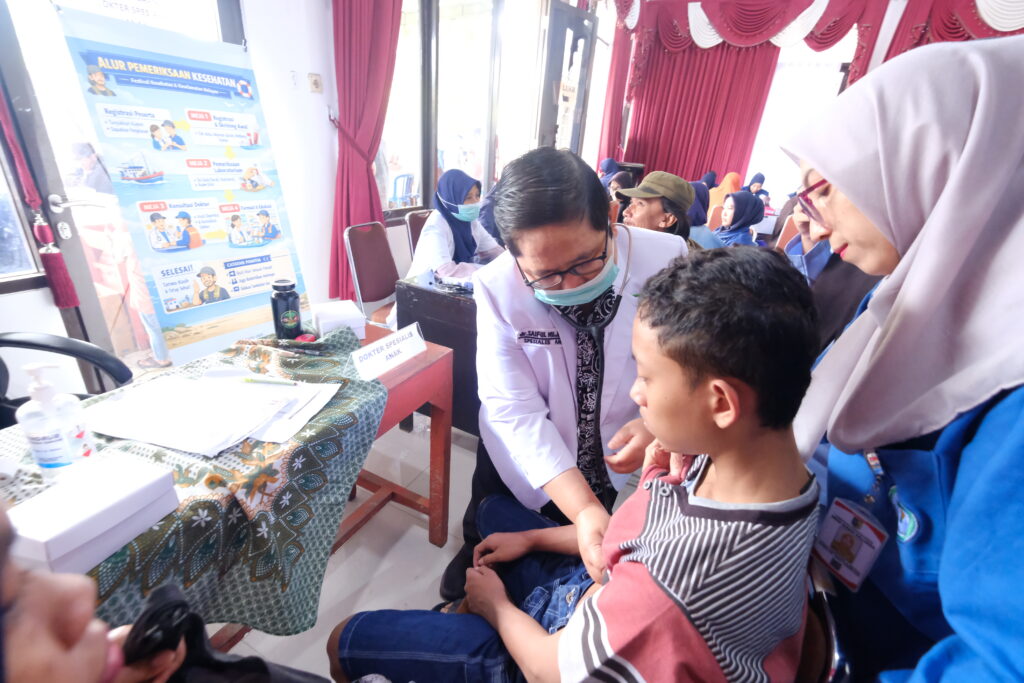
Beyond medical consultations, the collective effort also ensured that participants received essential medicines and first aid kits, helping to extend the benefits of the festival beyond the event itself.
For many fishers, opportunities to receive comprehensive health checks are limited by distance, cost, and time away from work. Bringing these services directly to fishing villages helped reduce these barriers and highlighted how health access remains a key social issue within fisheries.
Fishers Health, Rights, and Awareness
The festival was designed as more than a medical outreach. It also served as a space for learning, dialogue, and empowerment.
Alongside fishers health services, KOLEKTIF facilitated sessions on fishers’ rights and social responsibility, including an introduction to the Human Rights and Social Responsibility (HRSR) Policy that guides social aspects in fisheries improvement. These discussions aimed to strengthen fishers’ understanding of their rights, responsibilities, and available protection mechanisms.
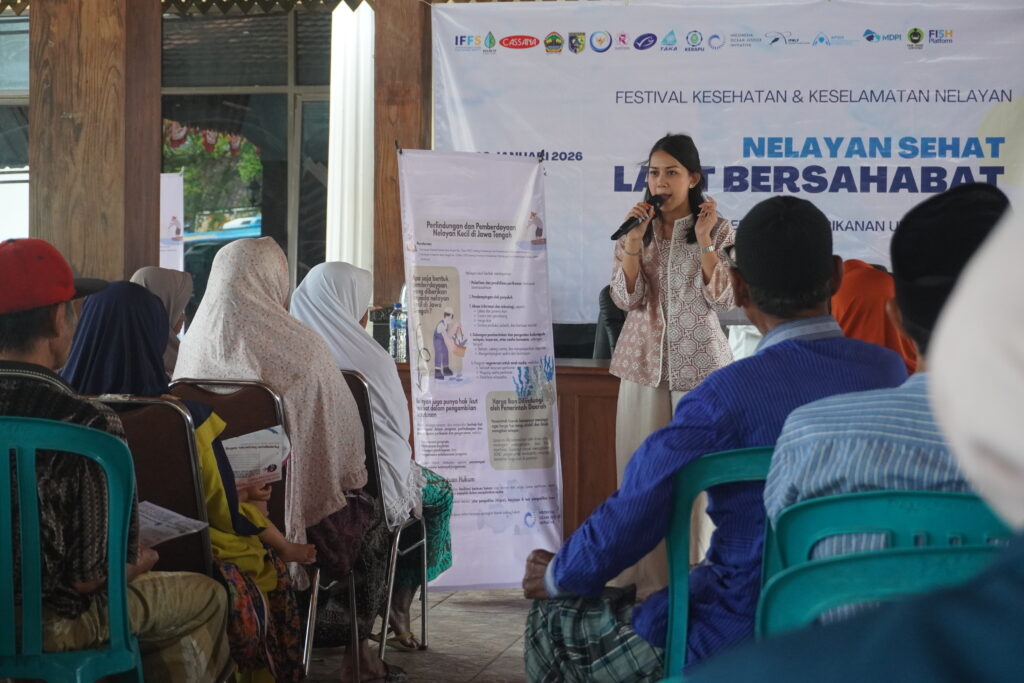
Additional sessions were delivered by partners focusing on women’s empowerment by IOJI, social security and insurance through BPJS Ketenagakerjaan, and legal and administrative requirements for fishers supported by the local port authority. Together, these sessions reflected a holistic approach — recognising that wellbeing in fisheries is shaped not only by health, but also by access to information, protection, and participation.
A Collective Effort Across Sectors
The successful implementation of the Fishers Health and Safety Festival in Demak was made possible through the active involvement of many partners across sectors. These included provincial and district-level marine and fisheries offices, health departments, local clinics and community health centres, village authorities, BPJS Ketenagakerjaan, NGOs, academic networks, and fisheries institutions.
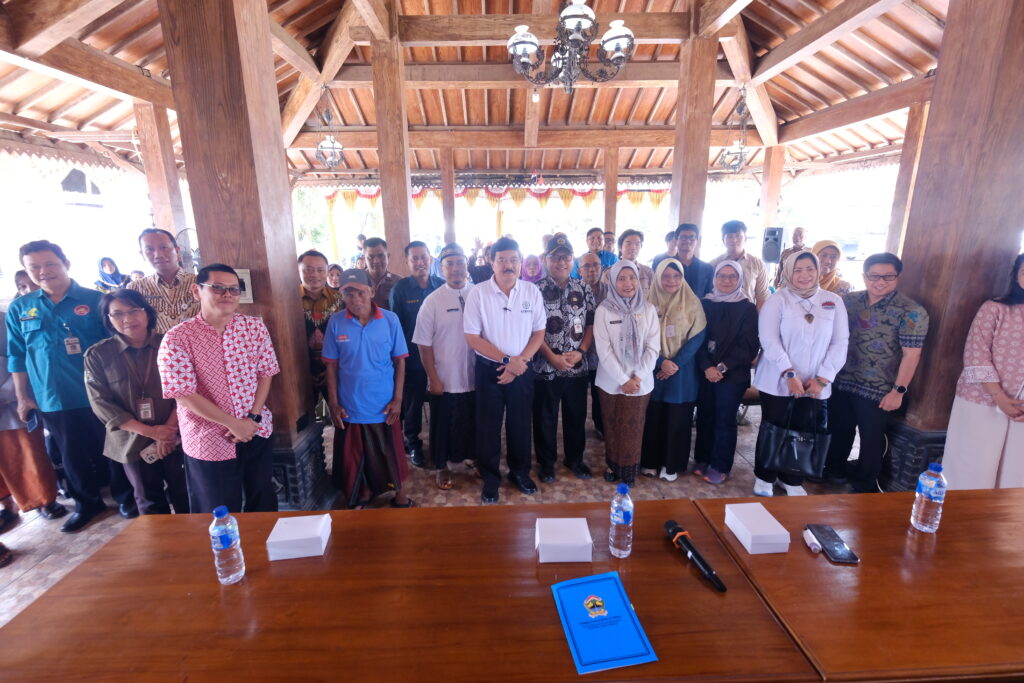
Partners involved included Dinas Kelautan dan Perikanan Provinsi Jawa Tengah, Dinas Kesehatan Provinsi Jawa Tengah, Dinas Kelautan dan Perikanan Kabupaten Demak, Dinas Kesehatan Kabupaten Demak, Pelabuhan Perikanan Pantai Morodemak, GPEI Jawa Tengah, Kecamatan Bonang, Kecamatan Wedung, Klinik Rifda, Puskesmas Bonang I dan II, Puskesmas Wedung I dan II, BPJS Ketenagakerjaan Jawa Tengah, Yayasan TAKA, Indonesia Ocean Justice Initiatives (IOJI), and Kelompok Alumni Perikanan Universitas Diponegoro (KERAPU).
This broad collaboration demonstrates how social responsibility in fisheries requires collective action — no single actor can address these challenges alone.
Fishers Health and Sustainable Fisheries
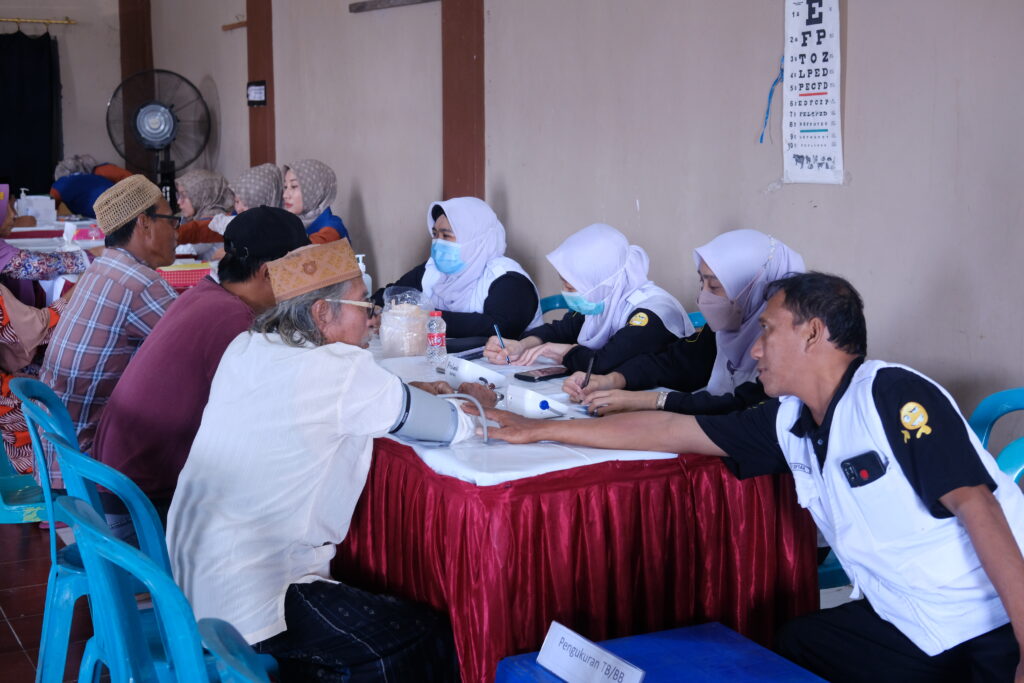
In the context of sustainable fisheries and social responsibility commitments, initiatives such as this Fishers Health Festival illustrate how social principles can be translated into concrete action. Health and safety, access to services, awareness of rights, and social protection are all essential components of responsible fisheries and are closely linked to social risk assessments (SRA) and ongoing improvement processes.
Watch a full video of the event here.
The Health and Safety Festival in Demak is not an end point, but part of a longer journey toward more inclusive and people-centred fisheries. It highlights both the progress that can be achieved through collaboration and the continued need to strengthen social support systems for small-scale fishers.
Leave a Reply